Architectural Marvel
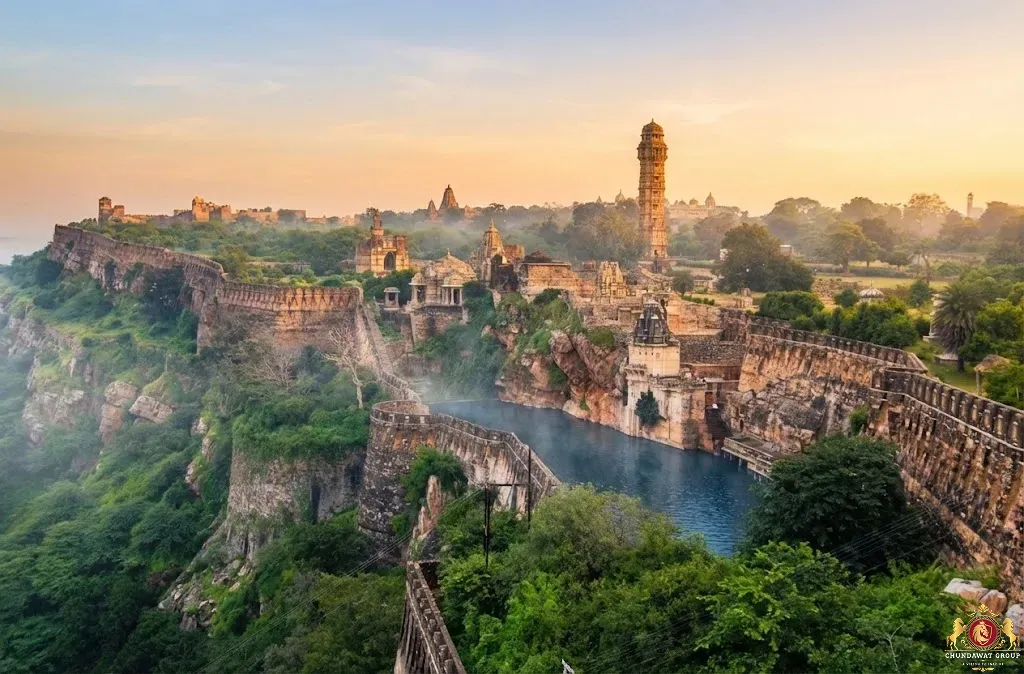
Sprawling over 700 acres, Chittorgarh is not just a fort but a symbol of sacrifice and bravery. It is the largest fort in India and a UNESCO World Heritage site. Every stone here whispers tales of heroism, from Rani Padmini's Jauhar to Panna Dai's sacrifice.
Chronicles of Valor
The Three Sieges
Chittorgarh faced three traumatic sieges by Alauddin Khilji (1303), Bahadur Shah (1535), and Akbar (1568), each ending in Jauhar (mass self-immolation) by the women.
The Tower of Victory
Rana Kumbha erected the Vijay Stambha between 1458 and 1468 to commemorate his victory over the combined armies of Malwa and Gujarat.
Design & Defense
Water Management
Originally, the fort had 84 water bodies, of which only 22 survive today. They could store enough water to last for years during sieges.
Fortification
The fort is surrounded by a 13km long wall and is accessible through seven massive gates (Pols), ensuring maximum defense.
Defenders of the Fort
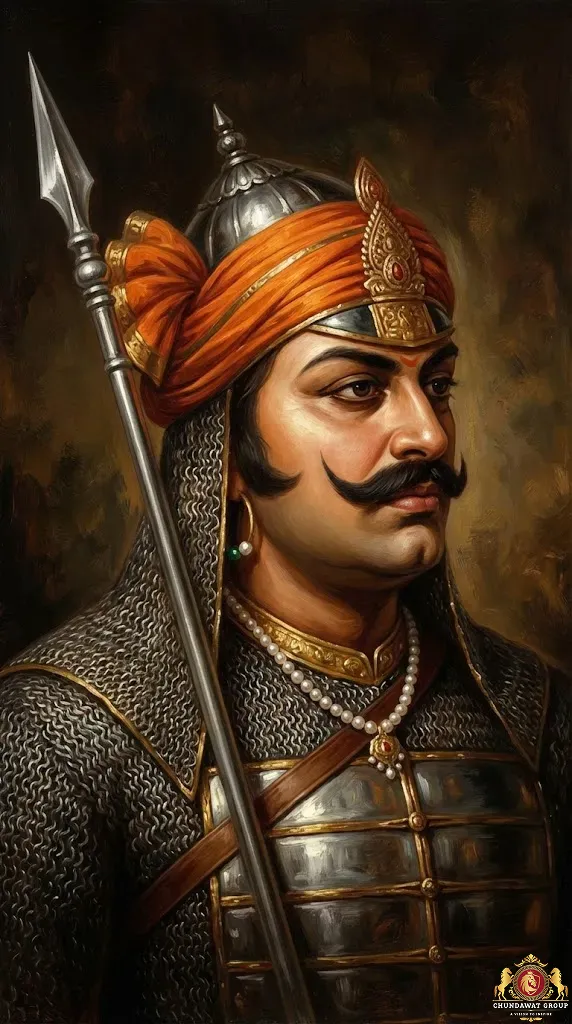
Maharana Pratap
The Lion of Mewar
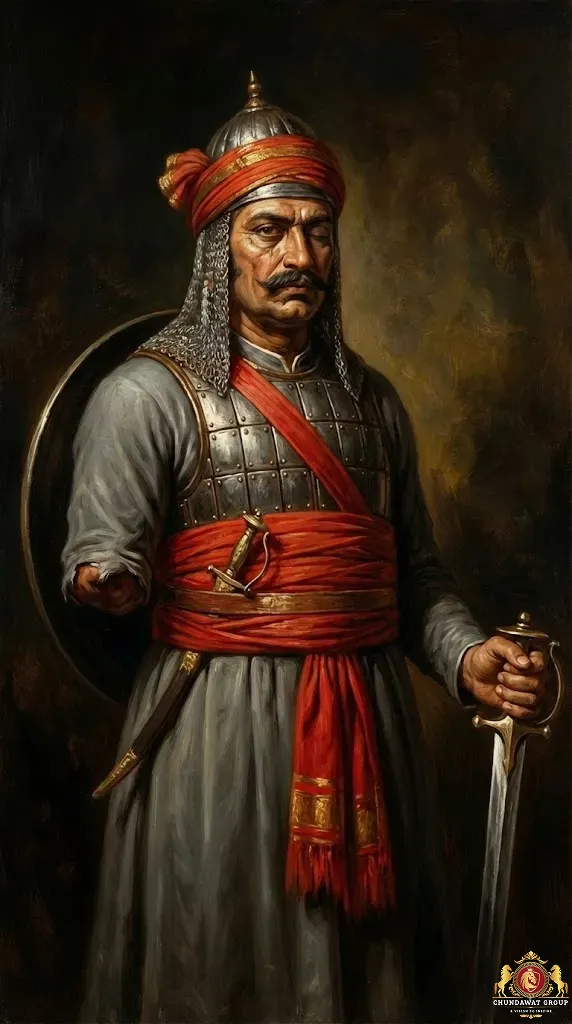
Rana Sanga
The Fragmented Soldier
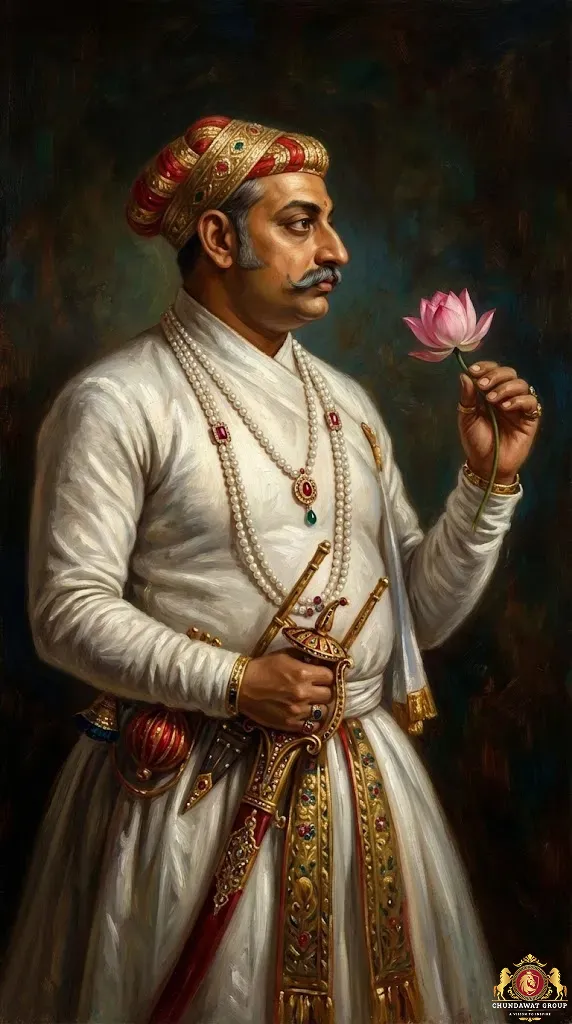
Maharaja Raj Singh I
The Liberator of Mewar
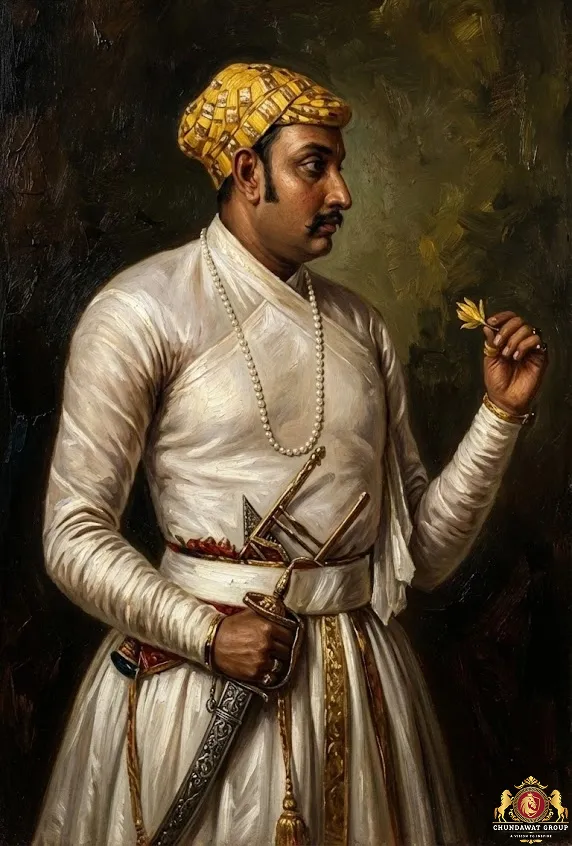
Maharana Amar Singh I
The Valiant Son of Pratap
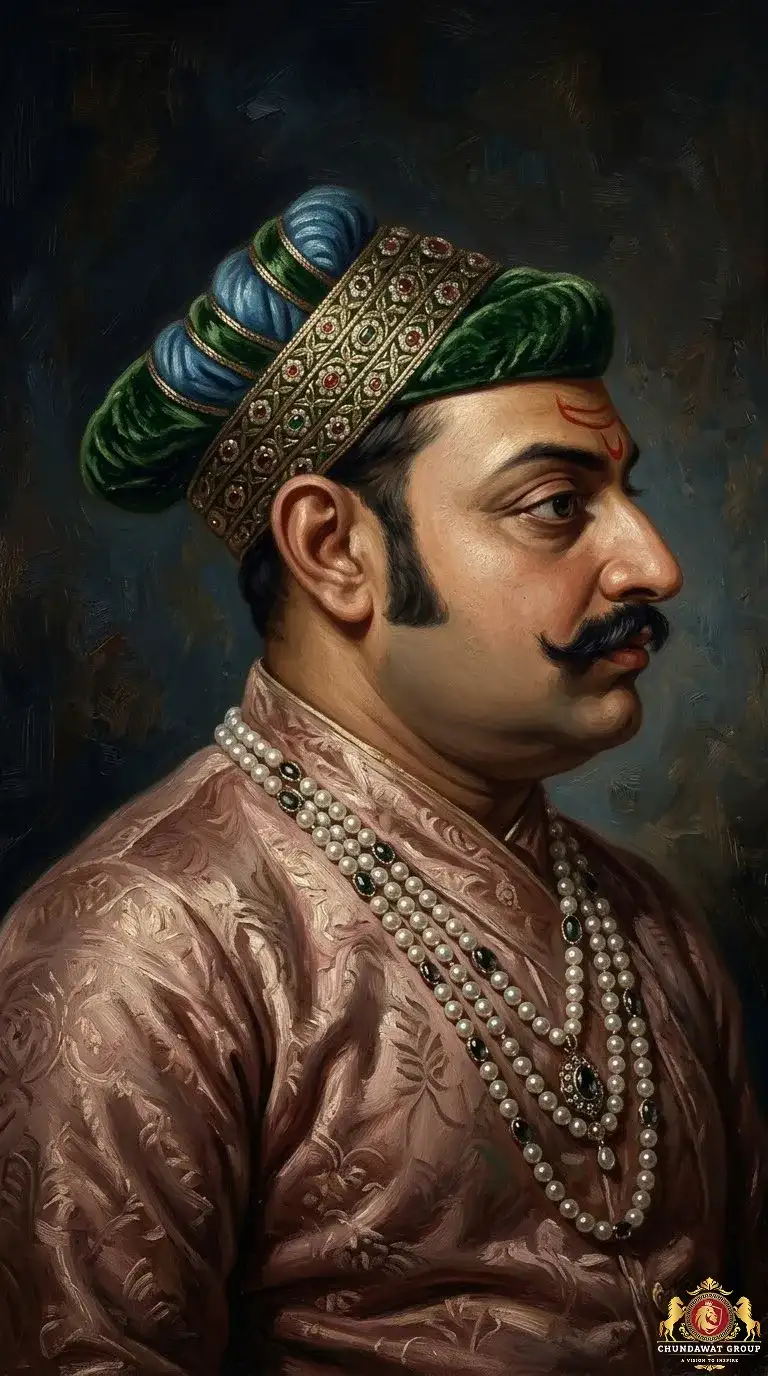
Maharana Udai Singh II
Founder of Udaipur
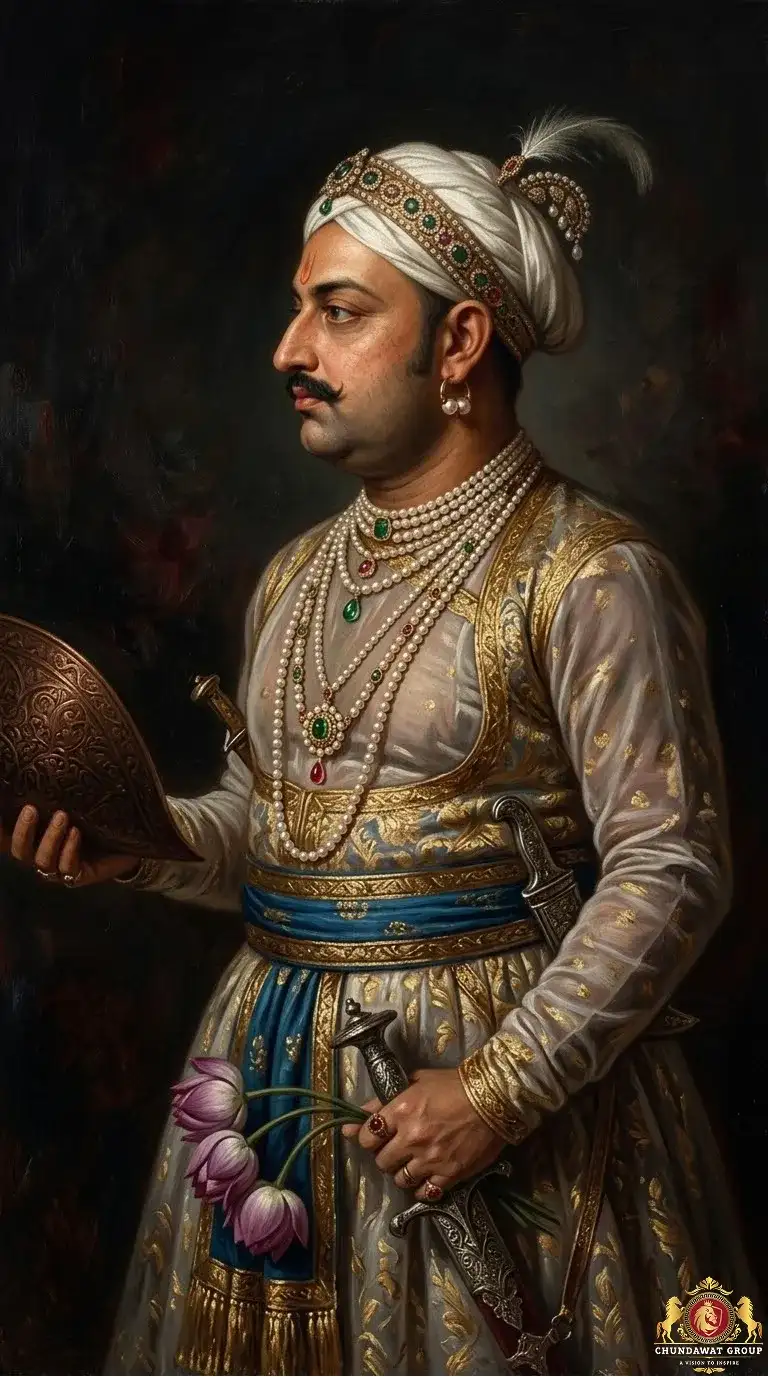
Maharana Jagat Singh II
The Builder of Lakes
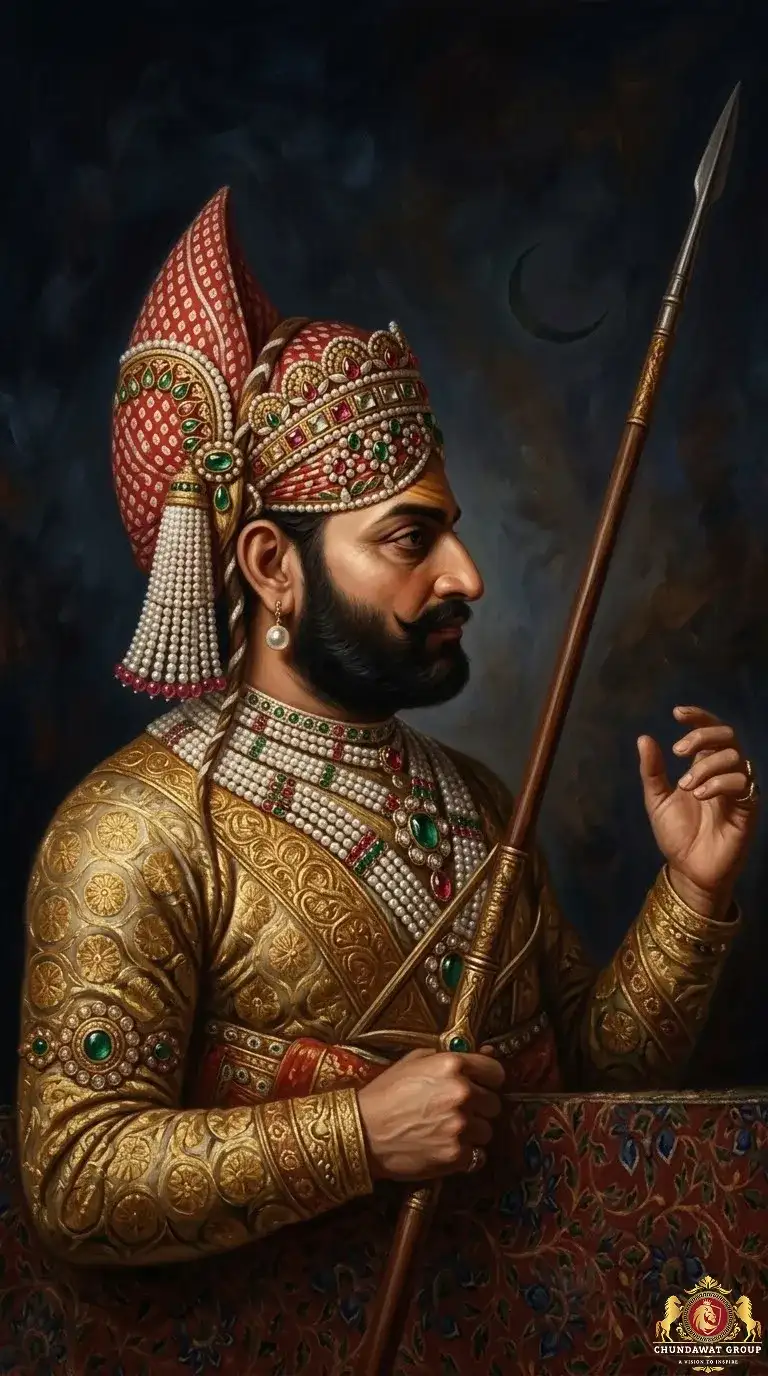
Maharana Bhim Singh
The Unifier of Mewar
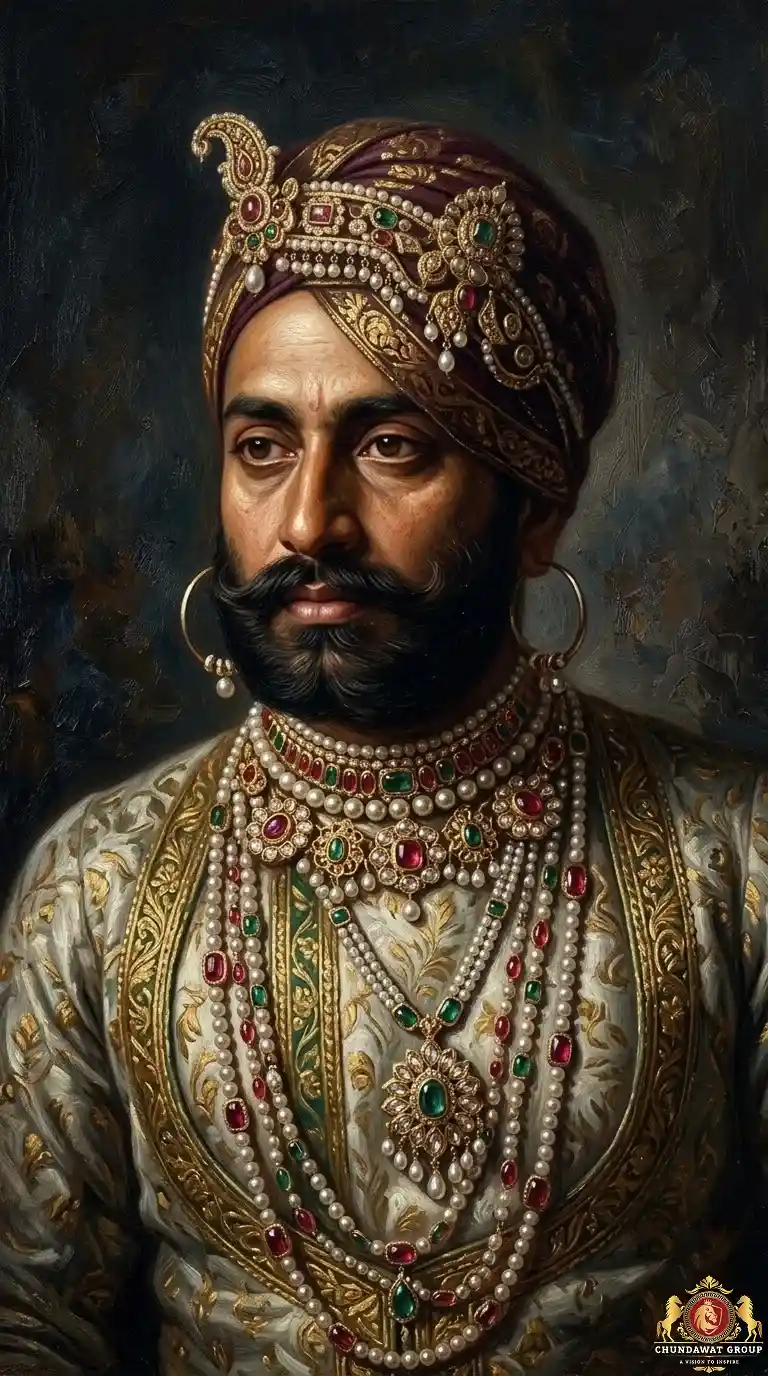
Maharana Sajjan Singh
The Reformer of Mewar
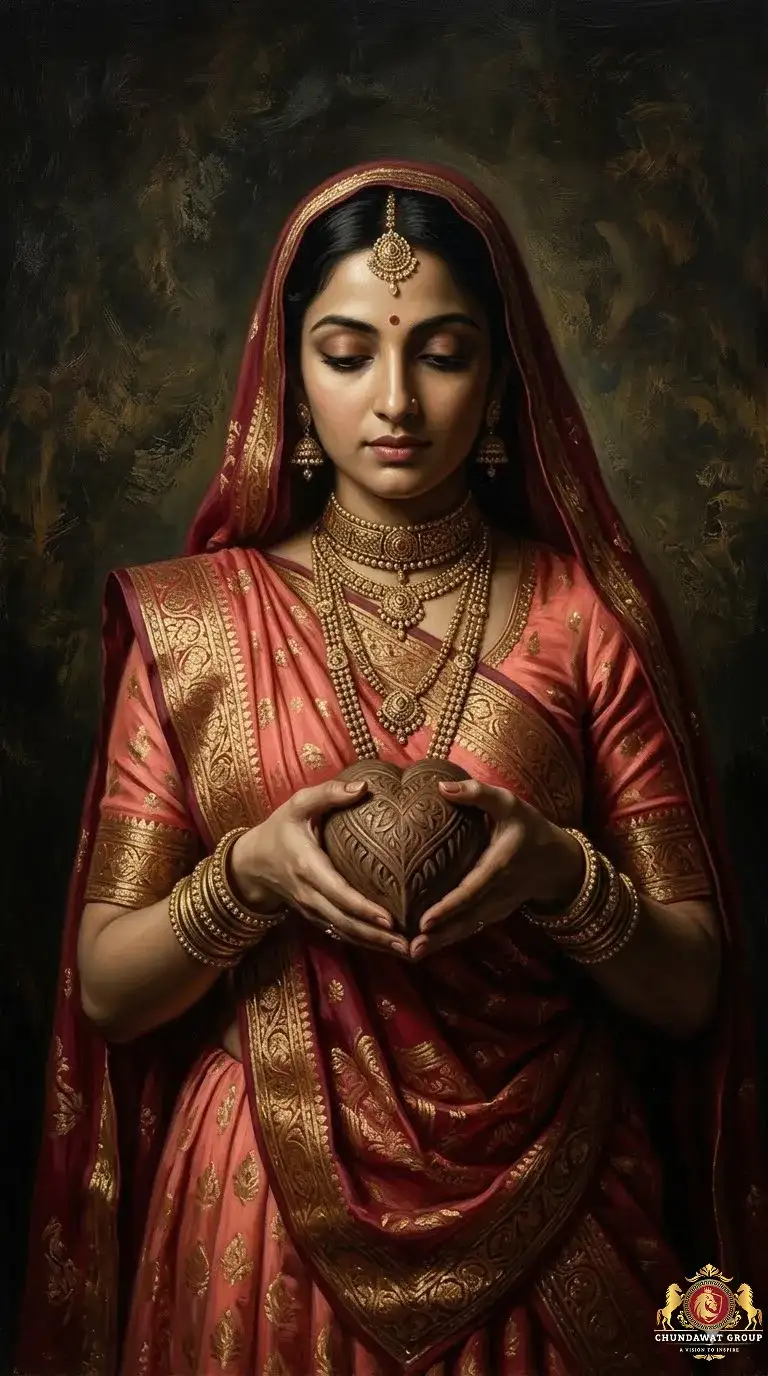
Rani Karnavati
The Regent Defender of Chittorgarh
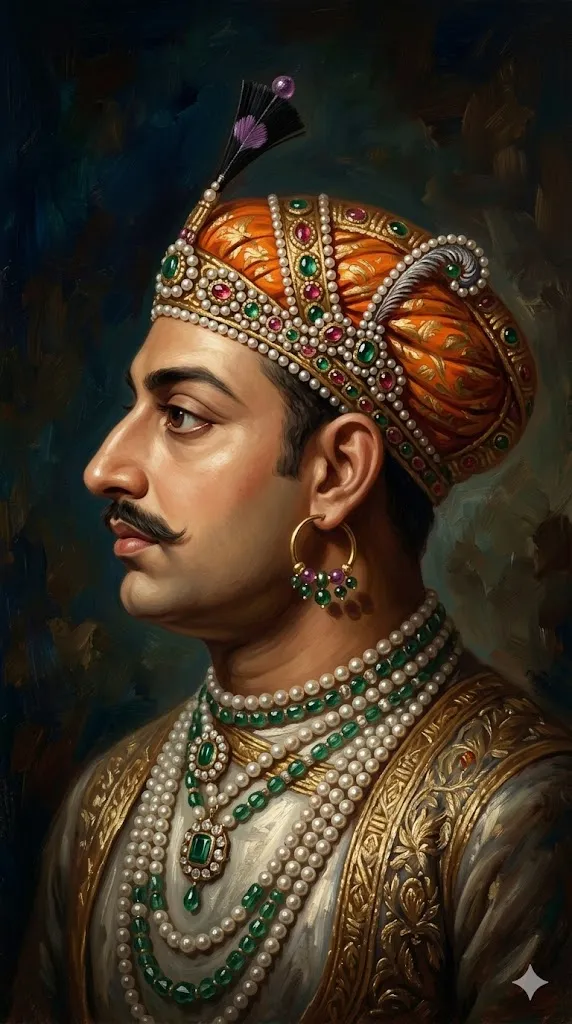
Maharana Mokal
The Great Builder
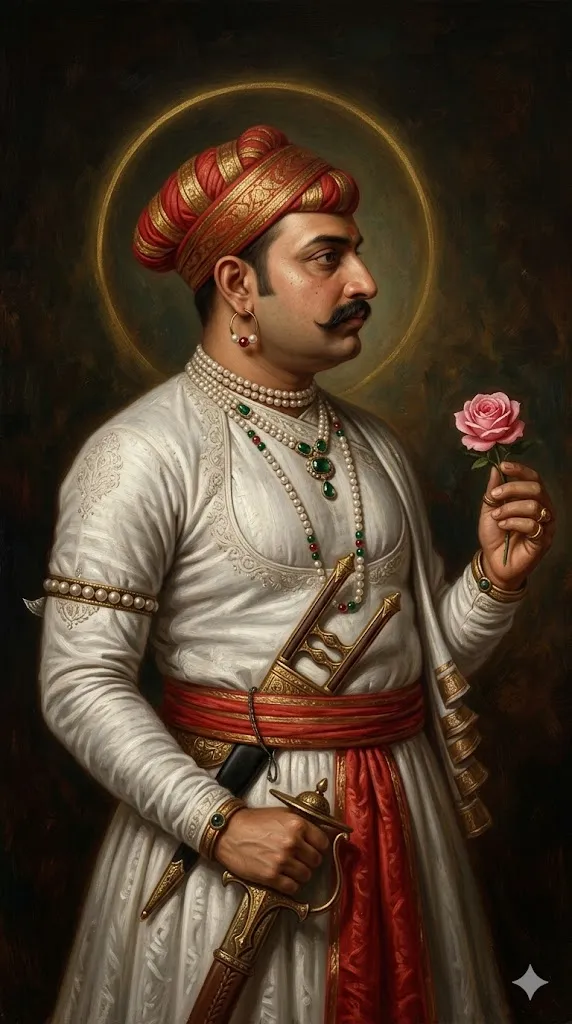
Maharana Kumbha
The Undefeated King
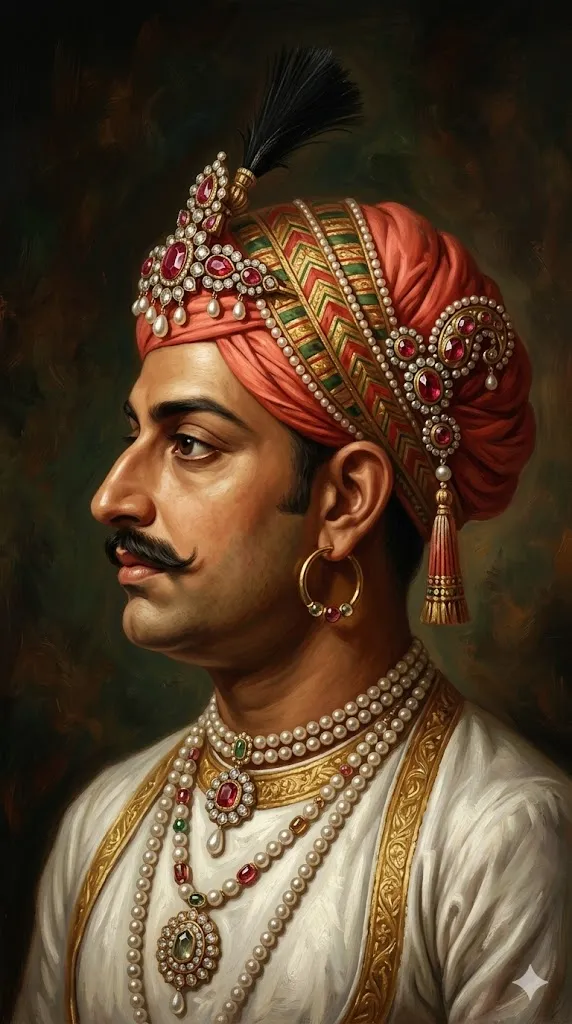
Maharana Udai Singh I
The Patricide
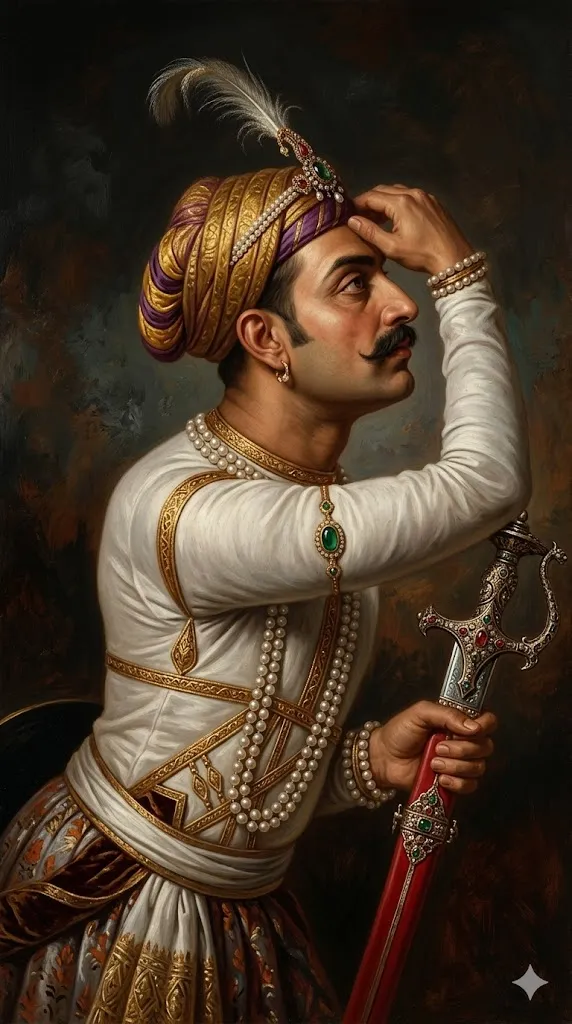
Rana Karan Singh
The Diplomat Builder
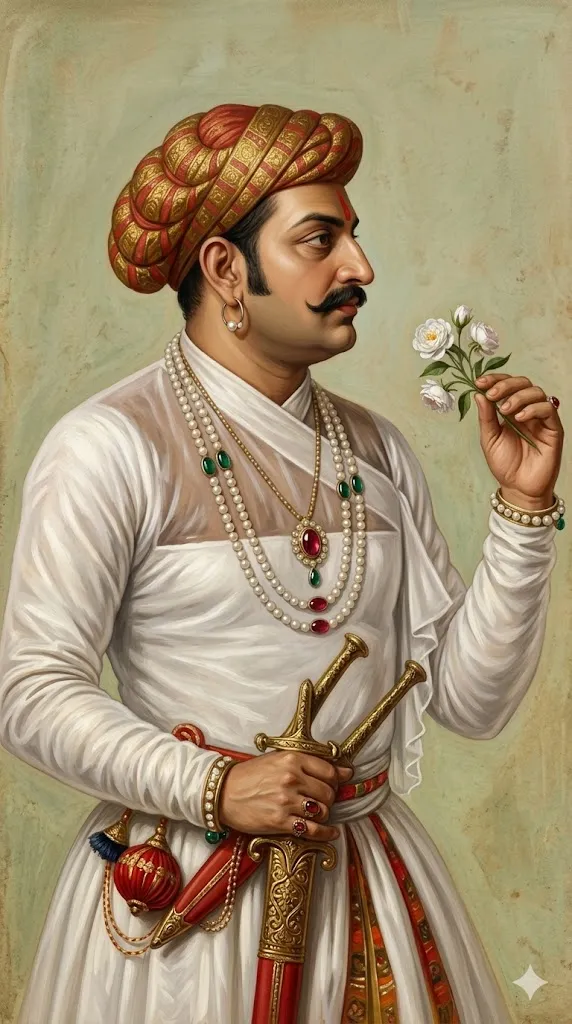
Maharana Jagat Singh I
The Greatest Builder
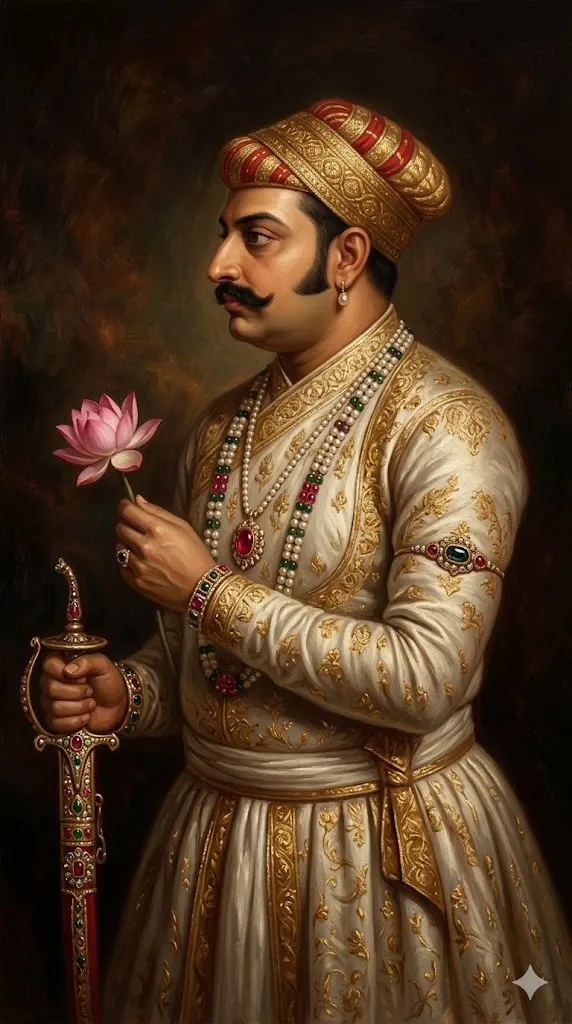
Maharana Jai Singh
The Diplomatic Strategist
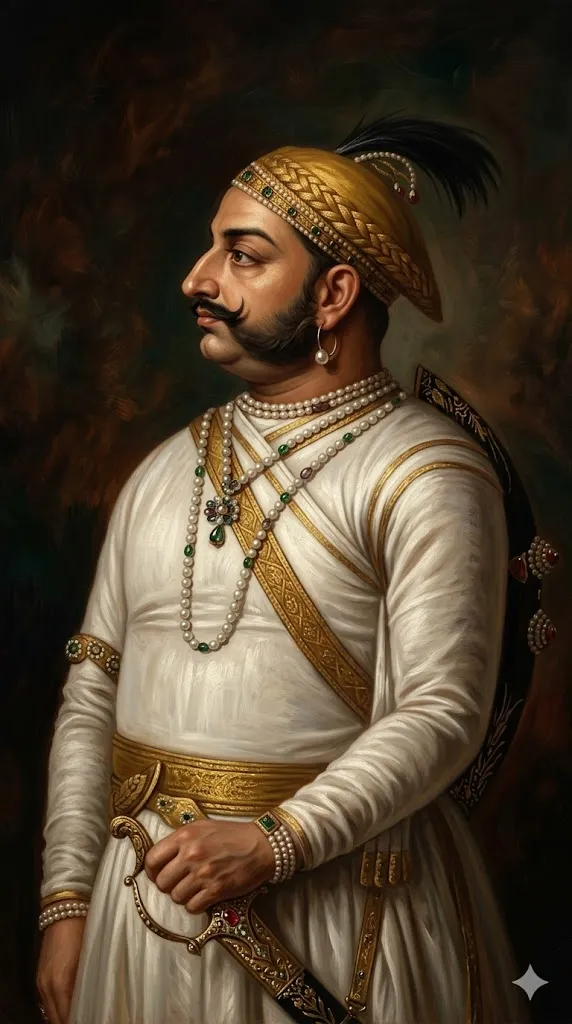
Maharana Amar Singh II
The Unifier
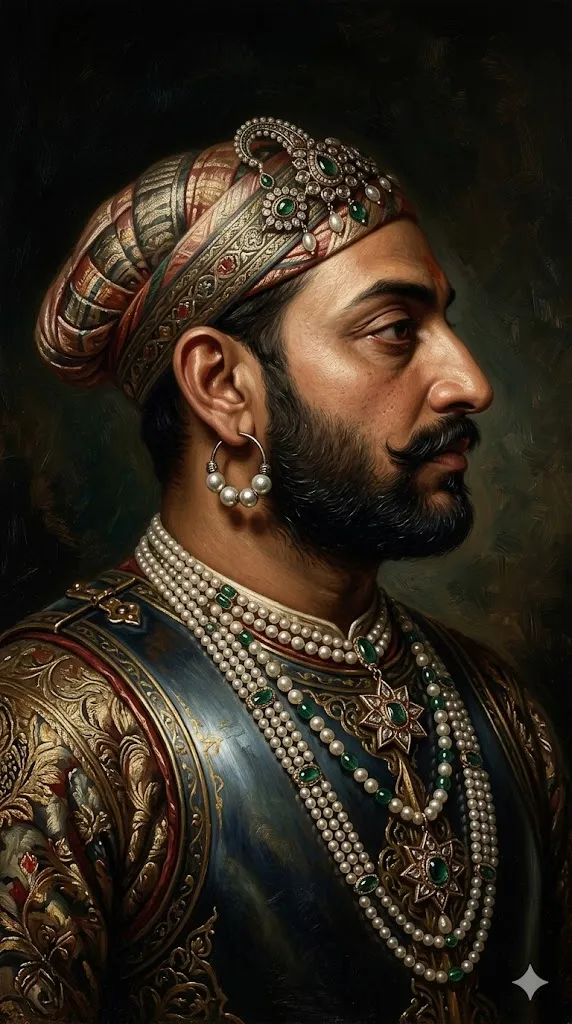
Maharana Sangram Singh II
The Restorer of Glory
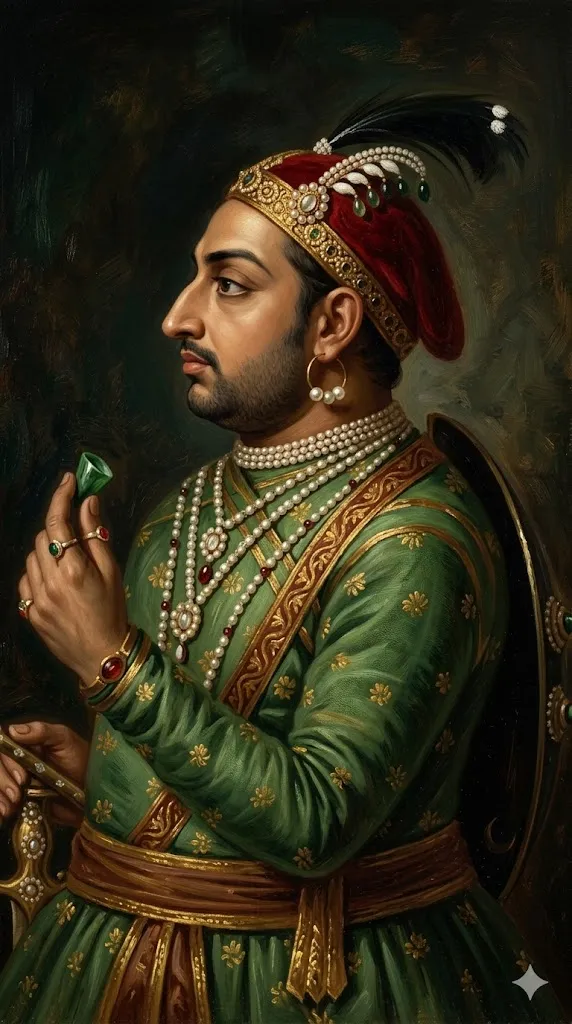
Maharana Pratap Singh II
The Weak Successor
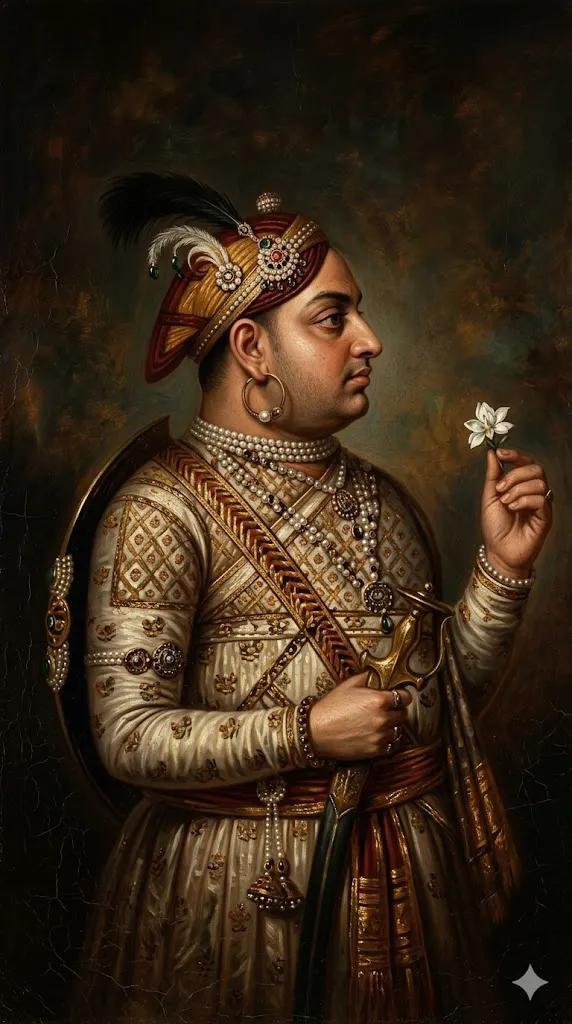
Maharana Raj Singh II
The Boy King
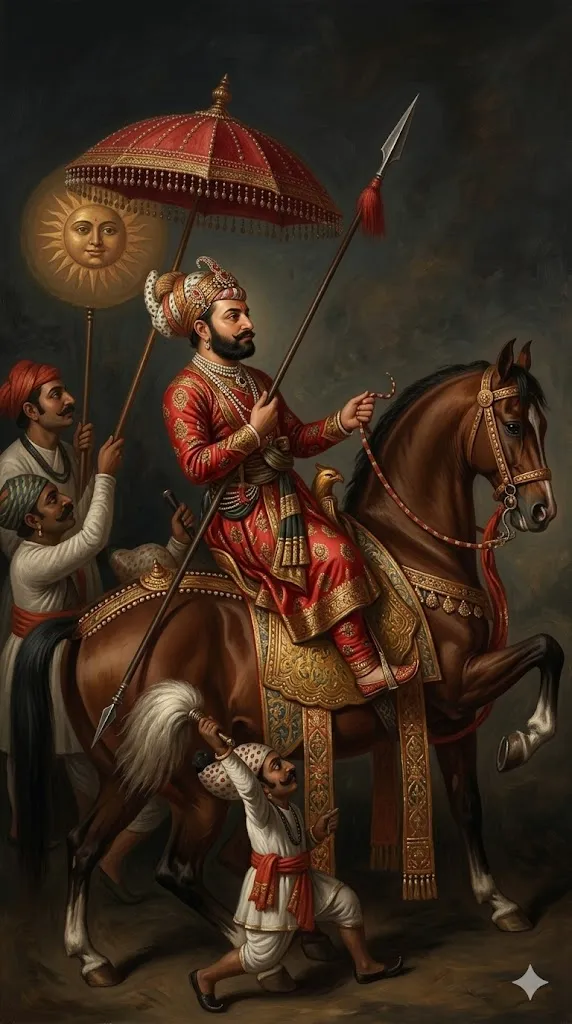
Maharana Ari Singh II
The Unpopular Ruler
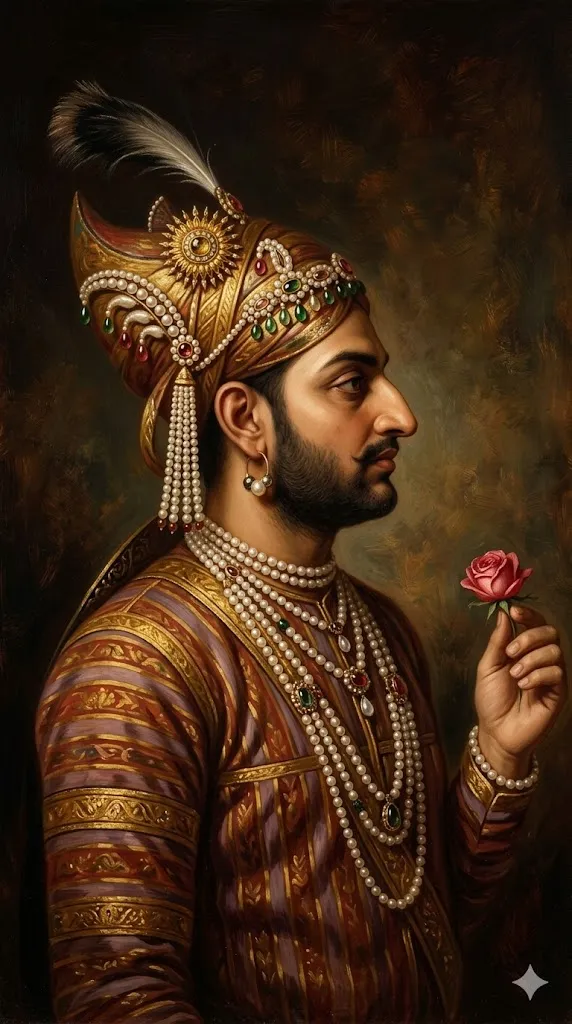
Maharana Hamir Singh II
The Regent's Ward
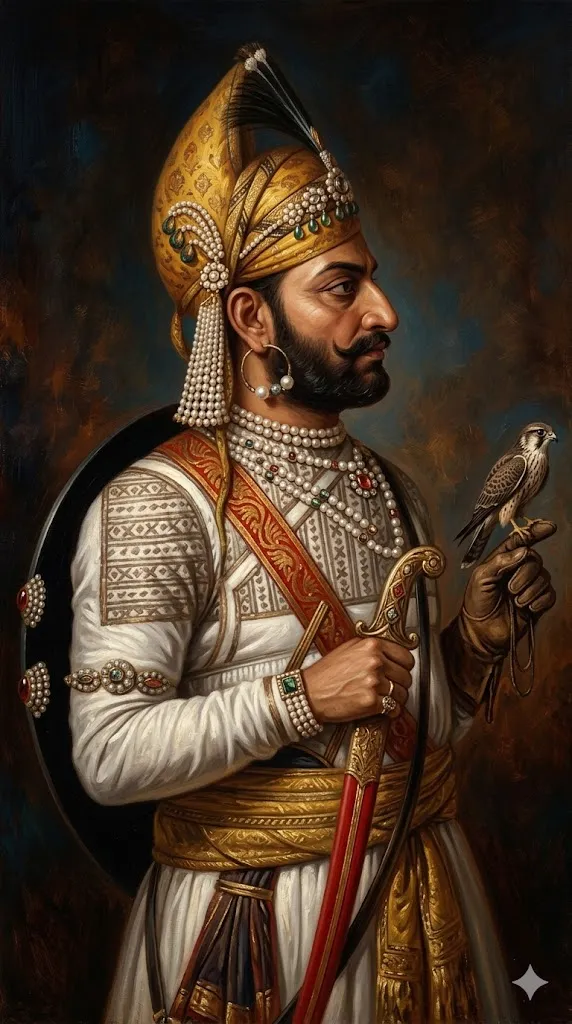
Maharana Jawan Singh
The Inconsequential King
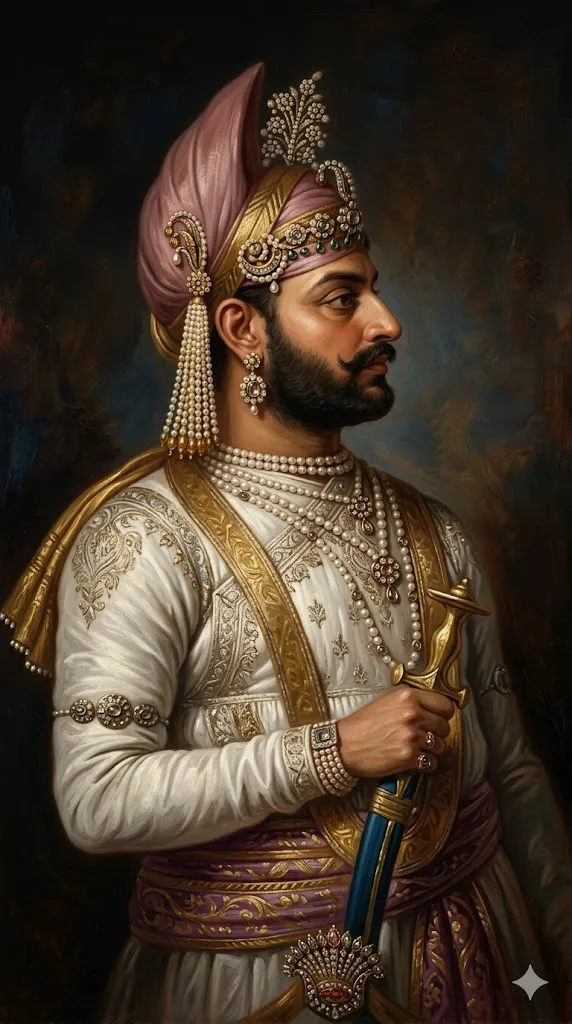
Maharana Swaroop Singh
The Reformer
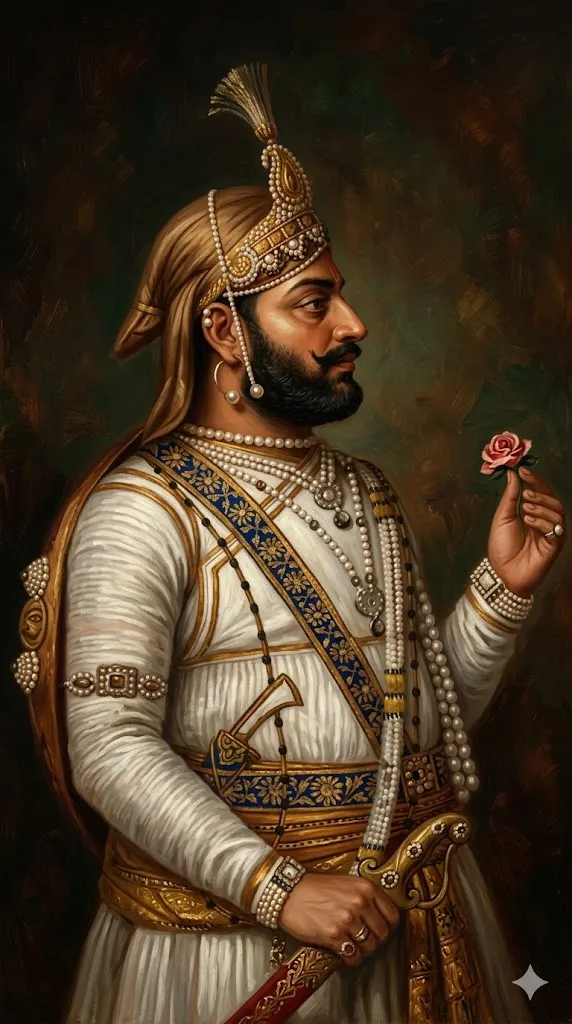
Maharana Shambhu Singh
The Modernizer
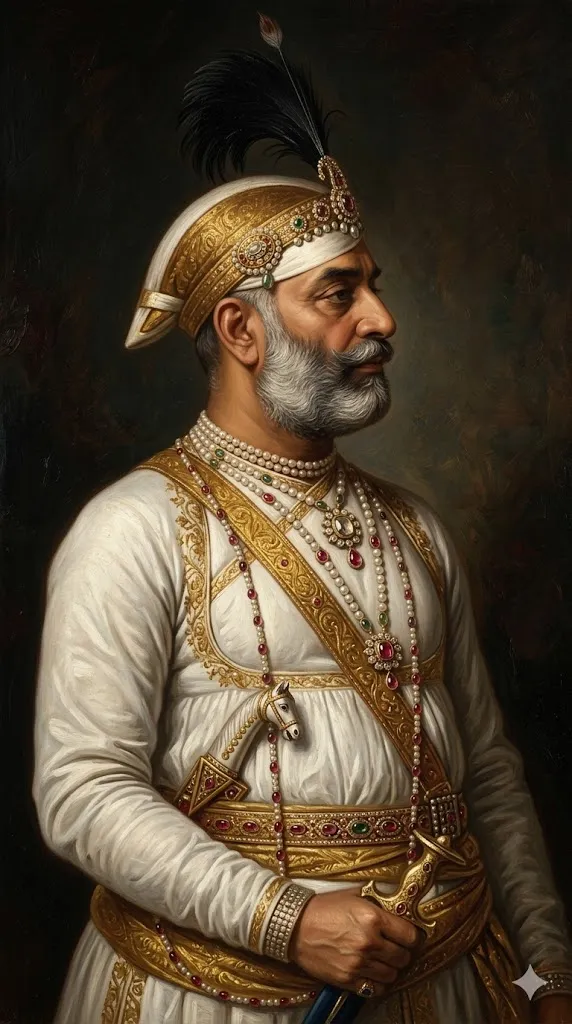
Maharana Fateh Singh
The Proud Suryavanshi
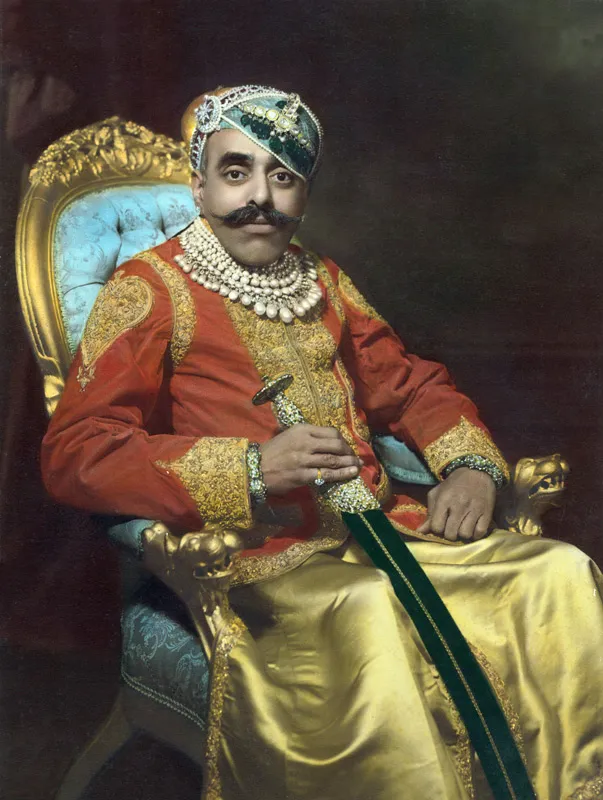
Maharana Bhopal Singh
The Last Sovereign
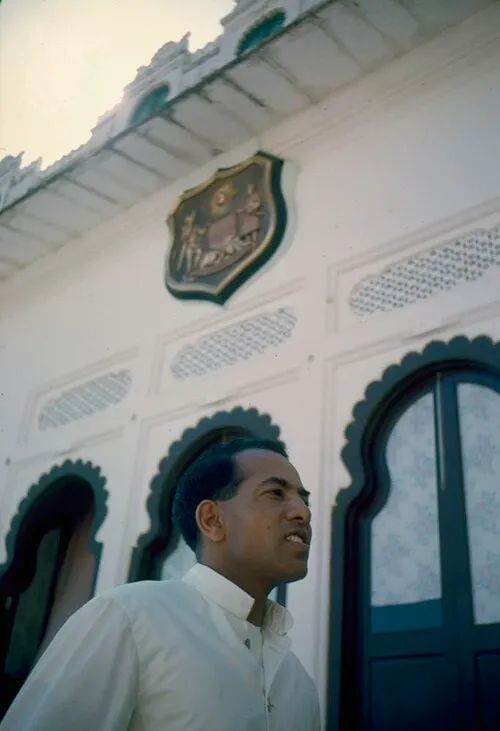
Maharana Bhagwat Singh
The Visionary Custodian